
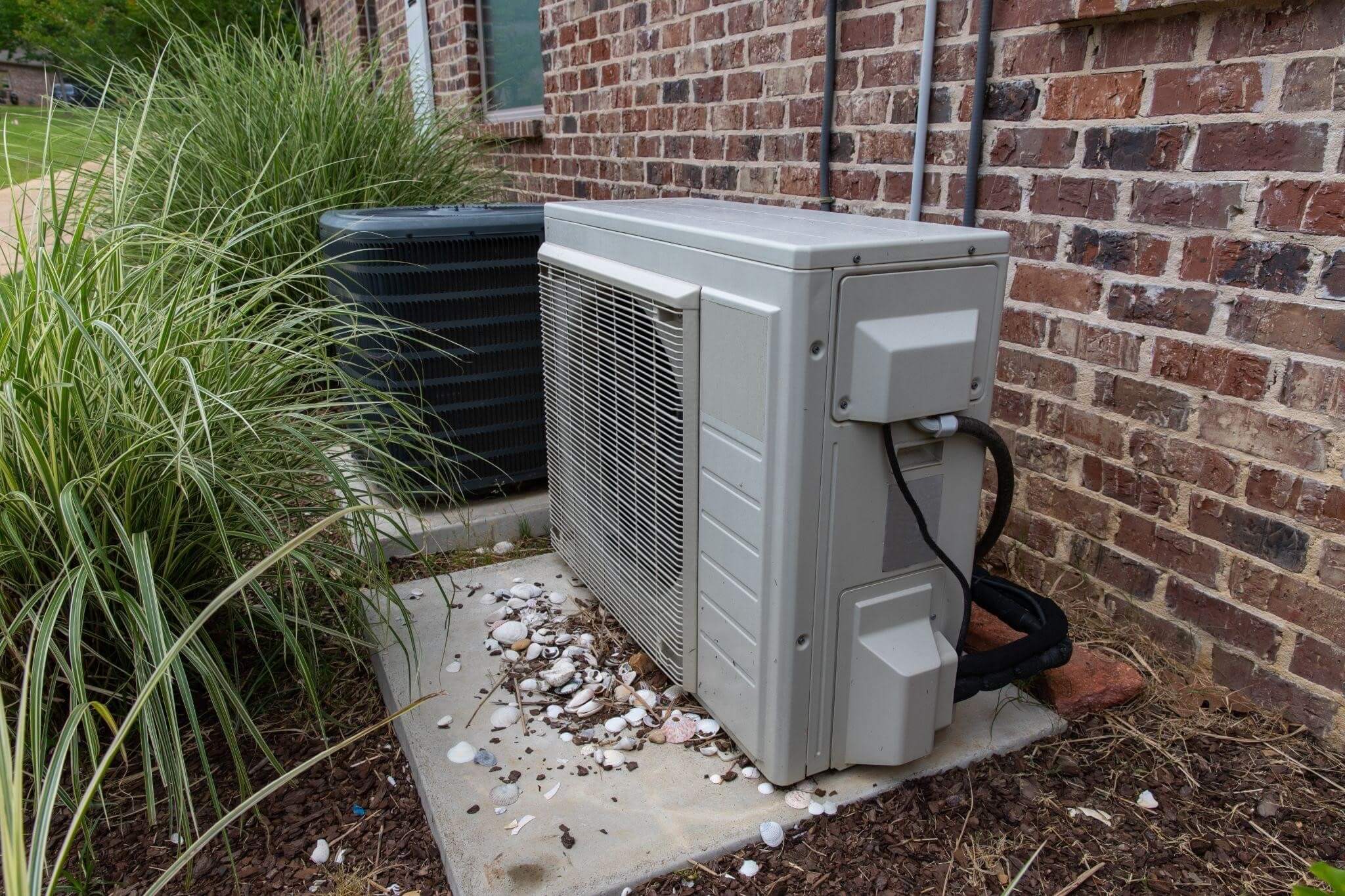
While central air has been the norm in the Chicagoland area when it comes to heating or cooling an entire home, ductless mini-splits are becoming more popular because they can be used to heat or cool your home without the need for any ductwork.
Making the right decision when it comes to the type of HVAC system you should get is a big decision, and there are a lot of things to consider when it comes to choosing the right one. Comparing ductless vs. central air involves breaking down how each works and whether the installation requirements and features are right for your home.
Understanding the Two HVAC Systems
What Is a Central Air Conditioning System?
A traditional, or central air system, cools your entire house by moving heated or cooled air through the ducts installed in your home. The components of central HVAC systems are:
- An outdoor condenser unit
- An indoor evaporator coil connected to a furnace or air handler
- Ductwork that delivers cooled air to each room
- A thermostat to control the temperature
This type of system is best used in homes with existing ductwork or when you want to control your whole home with one thermostat.
What Is a Ductless Mini-Split System?
Ductless mini-splits are a type of HVAC system that cools or heats specific rooms in a house without any ductwork. Each ductless system consists of:
- An outdoor compressor unit
- One or more indoor air handlers
- Refrigerant lines to connect the indoor and outdoor units
- Individual temperature controls for each zone
Ductless systems are best for homes with no air ducts, older homes, room additions, garages, or in situations where it would be difficult to install ductwork.
Top 4 Differences Between Ductless Mini-Splits and Central Air Systems
Installation Requirements
Central Air: This type of air conditioner requires ductwork for air distribution. If ducts are already present, installing a central HVAC system is easy. However, installing ductwork in an old house or during a renovation can be costly and messy.
Ductless Mini-Splits: This type of HVAC system only requires a small hole in the wall to run the refrigerant lines. This type of air conditioner is easier to install and is best for homes that don’t already have ductwork or for rooms that aren’t connected to an existing central system.
Energy Efficiency and Comfort
Central Air: Efficiency is determined by the system’s SEER rating and the condition of the ductwork. Leaky or uninsulated ductwork can reduce system efficiency and increase your energy bills. Some newer central air systems use variable-speed compressors to increase efficiency and maintain consistent temperatures.
Ductless Mini-Splits: Distribute air directly to zones in a house, eliminating energy losses from ductwork. Variable-speed compressors are also common in many ductless systems, enabling them to vary their output to maintain comfort while minimizing energy use.
Maintenance Requirements
Central Air: Requires frequent filter replacement, biannual professional inspections, and occasional air duct cleaning services to remove dust and allergens.
Ductless Mini-Splits: Need routine filter cleaning, keeping indoor units free of dust, and periodic maintenance appointments for the outdoor compressor and refrigerant lines.
Appearance and Design Considerations
Central Air: Has vents and registers integrated into floors, ceilings, or walls, with most parts concealed and a low profile. The outdoor compressor is large and can be considered an eyesore depending on where it is mounted.
Ductless Mini-Splits: Have visible indoor air handlers installed on walls or ceilings that can clash with home design. Even though the latest designs are more compact and stylish, they still stand out compared to central air vents.
When a Ductless Mini-Split System May Be the Better Choice
The advantages of ductless mini-split systems may make them a better fit for the cooling requirements of certain types of homes than for others. Because they do not require extensive modifications, ductless mini-split systems are an HVAC solution that can make specific areas of your home more comfortable.
Ductless systems will work best for:
- Homes without existing ductwork
- Older houses where installing ducts would be difficult
- Home additions or renovations
- Areas that are consistently too hot or too cold
- Homeowners who want zoned temperature control
When Central Air May Be the Better Option
Central air conditioning systems are the standard HVAC option in this region because they provide continuous cooling throughout the house and require minimal day-to-day adjustments. When properly installed and maintained, it can provide long-term efficiency and comfort throughout the entire house.
Central air systems make sense for:
- Homes with existing and functioning ductwork
- Large homes with open floor plans
- Whole-home cooling with a single thermostat
- Homeowners who don’t want visible equipment indoors
Choosing the Right HVAC System for Your Home
Ultimately, whether you choose a ductless or a central air system will depend on your home’s design and your personal comfort preferences. Every home is unique, so the right HVAC system for your home will be the one that suits its needs.
Some key questions to consider include:
- Do you have existing ductwork?
- Do you want individual room temperature control?
- Are you adding new living spaces?
- Are energy efficiency and long-term operating costs a priority?
Get Expert HVAC Guidance from Precision Heating & Cooling
If you are still wondering whether a mini-split or central air system is the best choice for your home, our experts at Precision Heating & Cooling will assess your home’s layout, insulation, and current system to help you choose the best possible HVAC solution.
Whether you’re looking to install a mini-split system for a particular area of your house or a central air system for your whole house, trust the professionals to recommend the system that will give you maximum efficiency and reliability. Contact us today to schedule a consultation.